
In today's digitalized gaming landscape, advertising strategies for role-playing games (RPGs) need to be not only creative and precise but also aligned with market trends. This article delves into the world of RPG advertising, exploring various types of RPGs, demographic insights of players, and top RPGs on mobile platforms. We'll provide actionable strategies and best practices to help game developers and marketers promote their games more effectively while meeting the expectations of a diverse gaming audience. Whether you're new to the industry or a seasoned professional, this article will open the door to the intricate world of RPG advertising.

Exploring RPGs: Defining the Role-Playing Game Experience
Role-playing games (RPGs) are a genre of games where players assume the roles of characters in a fictional setting. Players are responsible for acting out these roles within a narrative, either through literal acting or through a process of structured decision-making regarding character development. Actions taken within the game succeed or fail according to a formal system of rules and guidelines.
Diverse Worlds: Exploring the Various Types of RPGs
Role-playing games (RPGs) can be categorized into several distinct types, each offering a unique style of gameplay and storytelling experience. Here’s an overview of the main types of RPGs:
- Tabletop RPGs
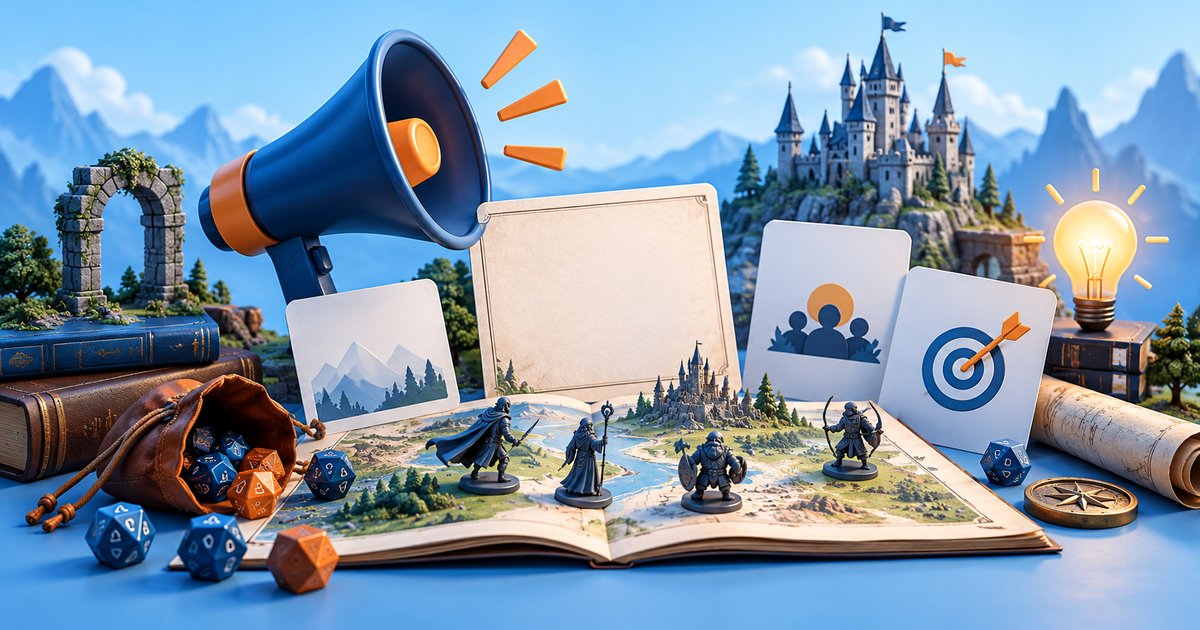
Tabletop RPGs are played in person with physical tools such as dice, paper, and pens. Players sit around a table and narratively explore game worlds guided by a game master (GM) who describes the environment and adjudicates rules. The most iconic example is Dungeons & Dragons. - Live Action RPGs (LARPs)
In LARPs, players physically act out their characters' actions, often wearing costumes and using props. These games can take place in various settings, from private venues to public parks, and emphasize physical activity and improvisation. - Computer RPGs (CRPGs)
These are video games played on computers or consoles. CRPGs often allow deep character customization and feature complex storylines. Players interact with the game world and its inhabitants through a digital interface. Examples include Baldur’s Gate and Divinity: Original Sin. - Console RPGs
While similar to CRPGs, console RPGs are specifically designed for game consoles like the PlayStation or Xbox. They often focus more on narrative and character development than PC versions. Notable series include Final Fantasy and Persona. - Massively Multiplayer Online RPGs (MMORPGs)
MMORPGs combine large-scale social interaction and persistent worlds with traditional RPG elements of character progression and questing. Players can interact with thousands of others in a shared world. Popular MMORPGs include World of Warcraft and Final Fantasy XIV. - Tactical RPGs (TRPGs)
Tactical RPGs emphasize strategy and tactics over traditional story-based RPG elements. Gameplay often resembles a board game or strategy game, focusing on combat and character positioning. Examples are Fire Emblem and XCOM. - Action RPGs (ARPGs)
These RPGs focus on real-time combat as opposed to turn-based or menu-based encounters. Character actions are often more reflex-based, requiring direct control over movements and attacks. Well-known ARPGs include Diablo and The Witcher series. - Roguelike RPGs
Roguelike games feature procedurally generated levels, turn-based gameplay, tile-based graphics, and permanent character death. They emphasize repeated playthroughs with different layouts and challenges each time. The Binding of Isaac and Darkest Dungeon are examples.
Each type of RPG offers different ways to engage with game mechanics, narrative elements, and other players, providing a rich variety of experiences within the genre.
Whether through solo adventures, group campaigns, or online worlds, RPGs cater to diverse interests and gaming styles.
Best Mobile RPGs: Top Picks for On-the-Go Gaming
Mobile gaming has seen an incredible rise in quality and variety, especially within the RPG genre. Here are some of the top RPGs available on mobile devices as of now, known for their engaging gameplay, depth, and popularity:
- Genshin Impact
Action RPG. A visually stunning open-world game with a gacha system for character recruitment. It offers a massive, explorable world with a rich story and dynamic combat system. - The Elder Scrolls: Blades
Action RPG. From the creators of Skyrim, Blades offers a unique Elder Scrolls experience optimized for mobile devices. It features dungeon adventures, city-building, and real-time combat. - Star Wars: Knights of the Old Republic
Classic RPG. An epic Star Wars role-playing experience with deep narrative choices and strategic combat. Originally a PC/console game, it has been expertly adapted for mobile. - Another Eden
Japanese RPG. A story-driven game that involves time travel elements and offers a substantial narrative experience akin to classic JRPGs. It’s noted for its storytelling and musical score. - Raid: Shadow Legends
Fantasy RPG. Known for its extensive advertising, this game features turn-based combat and gacha elements to collect and customize a vast array of heroes. - Banner Saga
Strategy RPG. This game combines deep tactical gameplay with a beautiful art style and a heavy focus on story and player choice, impacting the game's narrative and outcomes. - Final Fantasy XV: Pocket Edition
Action RPG. This is an adapted version of Final Fantasy XV, offering the core gameplay and storyline of the console version with controls and a presentation suited for mobile. - Monster Hunter Stories
Adventure RPG. A mobile adaptation of the popular Monster Hunter franchise, focusing more on RPG elements and a turn-based battle system, different from the traditional real-time hunting gameplay.
These games are not only popular among mobile gamers but also provide experiences rich in content and depth, rivaling their console and PC counterparts. Whether you're looking for complex narratives, strategic gameplay, or fast-paced action, there's likely a mobile RPG that fits your interests.
Who Plays RPGs? Unveiling the Demographics of RPG Enthusiasts
People who enjoy playing role-playing games (RPGs) tend to be diverse in their backgrounds but share common interests in storytelling, character development, and strategic thinking. Here are some characteristics of RPG players:
- Story Enthusiasts
RPGs are known for their deep, engaging narratives. Players who love storytelling and getting immersed in different worlds and characters often gravitate towards RPGs. These games provide an interactive storytelling experience that can be more engaging than passive forms of entertainment like watching TV or reading books. - Strategy and Tactics Lovers
Many RPGs require thoughtful planning, strategy, and tactical decision-making, especially those that incorporate complex combat systems or character development paths. Players who enjoy thinking ahead, optimizing characters, and planning out battles find RPGs particularly rewarding. - Explorers and Adventurers
RPGs often feature expansive worlds filled with secrets, puzzles, and hidden areas. Players who love exploring and discovering new environments are naturally drawn to RPGs. These games satisfy the curiosity and adventure-seeking tendencies of many players. - Social and Community-Oriented Gamers
MMORPGs and other multiplayer RPGs offer a social component that attracts players who enjoy gaming as a way to connect with others. These players appreciate the teamwork, community involvement, and social interactions that come with playing in a shared game world. - Creative Thinkers
RPGs often offer the freedom to solve problems in various ways, allowing creative thinkers to approach situations uniquely. This can include character customization, crafting systems, and open-ended quests that can be completed in multiple ways. - Fans of Complexity and Depth
Players who are attracted to games with deep mechanics, including skill trees, gear optimizations, and intricate lore, will often prefer RPGs. These games can offer complex systems that reward deep understanding and mastery. - Escapists
For those looking to escape reality and dive into a different life or world, RPGs are a perfect fit. The ability to role-play as a different character and experience lives vastly different from one's own can be a powerful draw. - Competitive Players
Especially in MMORPGs, competitive elements such as player vs. player (PvP) combat, leaderboards, and raids that require large groups to coordinate and execute complex strategies attract players who thrive on competition and teamwork. The appeal of RPGs is broad and varied, which is why they remain one of the most popular and enduring game genres across all platforms.

Crafting Winning Strategies: The Art of RPG Advertising Success
Developing an effective advertising strategy for a role-playing game (RPG) involves several key components that cater specifically to the interests and habits of the target audience. Here’s a detailed approach to creating a successful RPG advertising campaign:
- Identify the Target Audience
Demographics: Understand the age, gender, location, and gaming preferences of your potential players. For example, young male gamers are more likely to become RPG players. Also, RPG players often exhibit higher levels of loyalty.
Player Motivations: Determine whether your audience is more interested in story-driven content, competitive gameplay, social interaction, or exploration. - Highlight Unique Selling Points
Game Features: Emphasize unique aspects of the game such as its storyline, character customization, world-building, and graphics.
Game Mechanics: Showcase innovative gameplay mechanics or features that set it apart from other RPGs. - Leverage Multiple Marketing Channels
Social Media: Use platforms like Facebook, X(twitter), Instagram, and TikTok to create engaging content that highlights game features, updates, and fan interactions.
Content Marketing: Publish articles, blogs, and videos that delve into the game’s world, lore, and development process.
Influencer Partnerships: Collaborate with gaming influencers and streamers who can showcase your game to their followers. - Use Engaging Visual and Interactive Content
Trailers and Teasers: Create high-quality video trailers and teasers that capture the essence of the game’s world and its narrative.
Gameplay Demos: Release gameplay videos or demos that allow potential players to see the actual game in action. - Community Engagement
Forums and Discussions: Foster a community by actively engaging in forums and social media discussions.
Events and Giveaways: Organize online events, contests, and giveaways to build hype and encourage community participation. - Localized Advertising
Cultural Relevance: Adapt your marketing materials to align with the cultural nuances of different regions.
Language Options: Provide advertisements and game content in multiple languages to reach a broader audience. - Retargeting and Remarketing
Follow-Up Campaigns: Implement retargeting ads to capture the interest of users who have visited your website or interacted with your game but haven’t made a purchase.
Email Marketing: Use CRM with email campaigns to keep potential players informed about new content, updates, and special offers. - Feedback and Adaptation
User Feedback: Monitor feedback from early access, betas, and initial releases to adjust your advertising strategy based on what elements resonate most with players.
Analytics: Use data analytics to refine targeting and improve the effectiveness of your campaigns based on user engagement and conversion rates.
By integrating these strategies, you can effectively promote your RPG, creating a strong connection with potential players and enhancing their anticipation and engagement with the game.
Trends and Best Practices in RPG Advertising Creatives
- Immersive Storytelling: Advertisements often focus on creating immersive narratives that resonate with the RPG audience. They may feature captivating characters, epic quests, and rich worlds to draw players in.
- Visual Spectacle: High-quality visuals and animations are becoming increasingly common in RPG ads. Whether it's showcasing stunning landscapes, intense battles, or intricate character designs, visuals play a significant role in attracting attention and generating interest.
- Customization and Personalization: Ads may highlight the customizable aspects of RPGs, such as character creation, skill progression, and decision-making. Emphasizing the player's ability to shape their own unique gaming experience can be a powerful marketing strategy.

- Community and Social Interaction: RPG ads often emphasize the social aspects of gaming, highlighting features like multiplayer modes, cooperative gameplay, and online communities. Promoting the idea of playing with friends or joining a vibrant gaming community can help attract players.
- Cross-Platform Accessibility: With the increasing popularity of mobile gaming and cloud-based services, RPG ads may highlight the ability to play across different devices and platforms. This flexibility appeals to players who want to enjoy their favorite games anytime, anywhere.
- In-Game Events and Updates: Advertisements may inform players about upcoming in-game events, expansions, or updates to keep them engaged and excited about the game's ongoing evolution.
- Nostalgia and Franchise Legacy: Leveraging nostalgia for classic RPGs or well-established franchises can be a successful strategy in advertising. Remakes, remasters, or sequels to beloved RPGs may be promoted with nods to their heritage and legacy.
- Gameplay Mechanics and Features: Ads often highlight key gameplay mechanics, features, and innovations that set the RPG apart from other games in the genre. Whether it's innovative combat systems, deep character customization, or branching storylines, showcasing what makes the game unique is crucial.
By incorporating these trends into their advertising creatives, RPG developers and publishers can effectively capture the attention of their target audience and drive interest in their games. You can use BigSpy to discover more insights about RPG advertising.
Final Thoughts: Crafting Winning Strategies for RPG Advertising Success
As we've explored multiple facets of RPG advertising, from the segmentation of game types to the diversity of player demographics and effective marketing strategies, the importance of well-crafted advertising campaigns in attracting and retaining players is evident. When devising your RPG advertising strategy, remember to focus on the specific needs and interests of your target audience, leverage innovative marketing channels, and continually adjust your approach based on feedback, you can also use adspy tool like BigSpy to research the RPG marketing and gain advertising inspiration. By doing so, your game can stand out in a competitive market, win the hearts of players, and achieve commercial success. We hope this article provides you with inspiration and direction to navigate the path of RPG advertising with confidence.